
How to Remove Air Lock in Diesel Power Weeders (KG- & 186F)
Step-by-step procedure to bleed air from fuel pipe, diesel injector pump, and high-pressure nozzle after running out of fuel in the field.
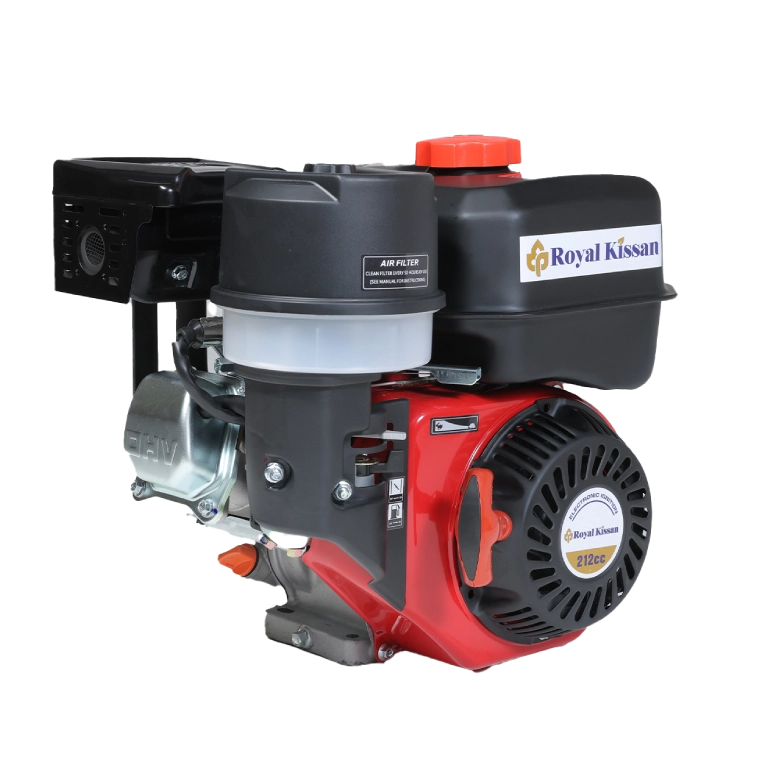
Quick Answer: How to Remove Air Lock in a Diesel Power Weeder To clear an airlock from a 173F/178F/186F diesel power weeder: 1) Fill the tank with clean diesel, 2) Loosen the 10mm fuel filter bleeder bolt until bubble-free fuel flows and retighten, 3) Loosen the 17mm steel delivery pipe union nut at the injector, 4) Pull down the decompression lever and crank 4–6 times until diesel spurts out, 5) Tighten the 17mm nut and pull the recoil to start.
Running a diesel power weeder completely out of fuel introduces air pockets into the high-pressure fuel injection circuit. Simply refilling the diesel tank will not start the engine until the air lock is bled.
Step-by-Step Air Bleeding Procedure
- •Fill the Tank with Clean Diesel: Ensure minimum 3 liters of diesel is in the tank so gravity creates positive head pressure.
- •Loosen the Fuel Filter Bleeder Screw: Locate the 10mm bolt on the fuel filter base. Loosen it 2 turns until diesel flows without air bubbles or frothing, then retighten.
- •Loosen the High-Pressure Line at the Injector: Using a 17mm open spanner, loosen the union nut connecting the steel delivery pipe to the fuel injector on top of the cylinder head.
- •Crank with Decompression Engaged: Push down the decompression lever and pull the recoil starter vigorously 4–6 times (or crank the electric starter) until pressurized diesel spurts out of the cracked fitting.
- •Retighten & Start: Tighten the 17mm nut firmly. Engage decompression, pull the recoil smoothly, let decompression pop back up, and the engine will immediately fire.
Technical Engineering Context & Field Dynamics
Small air-cooled single-cylinder petrol and diesel engines powering agricultural machinery demand strict attention to combustion timing, valve clearances, and clean filtration. Operating in high-dust harvest environments, small engines lose compression rapidly if air filters or fuel sediment systems are neglected.
Step-by-Step 2T Fuel Mixing Procedure
- •Measure Clean Petrol: Measure exactly 1 Litre of fresh unleaded petrol into a separate clean fuel mixing container. Never use stale petrol stored over 30 days.
- •Measure 2T Oil Volume: Use a graduated measuring bottle or syringe to draw exactly 40 ml of 2T engine oil (1:25 ratio) for standard mineral oil, or 25 ml (1:40 ratio) for JASO-FD synthetic oil.
- •Pre-Mix Thoroughly: Add the measured 2T oil into the petrol can, seal the cap, and shake vigorously for 15 seconds until the petrol takes on a uniform blue/green tinted tint.
- •Filter & Fill Tank: Pour the pre-mixed fuel into the brush cutter tank using a fine-mesh funnel to block dust and dirt particles.
Factory Tolerance & Recommended Maintenance Matrix
| Engine Maintenance Parameter | Standard Value (Petrol / Diesel) | Adjustment Frequency |
|---|---|---|
| Valve Clearance (Cold) | Intake: 0.15 mm ± 0.02 mm | Exhaust: 0.20 mm ± 0.02 mm |
| Cylinder Compression Pressure | 85 – 115 PSI (Petrol 210cc) | 280 – 340 PSI (Diesel 173F) |
| Air Filter Oil Bath Depth | 10 mm – 15 mm clean engine oil in plastic cup | Clean sediment and replace oil every 20 field hours |
| Ignition Coil Flywheel Air Gap | 0.35 mm (approx. thickness of a standard business card) | Set using non-magnetic brass feeler gauge |
OEM Spare Parts & Workshop Specifications
For agricultural workshops, mechanics, and equipment dealers across India, maintaining accurate engineering tolerances is vital. When replacing worn mechanical assemblies, always ensure parts meet certified metallurgical and dimensional standards:
- •Surface Hardening: Cultivator tines, auger tips, and drive shafts must carry induction hardening (HRC 48–52) to resist abrasion in quartz and gravel soils.
- •Viton Seals: Use double-lip Viton oil seals on rotor output shafts to withstand high soil friction and prevent oil contamination.
- •Genuine Fitment Guarantee: KrishiGears provides fitment-verified spare parts for all standard 7HP, 9HP petrol engines, KG-/186F diesel models, and 52cc/63cc 2-stroke equipment with PAN-India express dispatch.
Frequently Asked Field Questions & Expert Answers
Q: How do I know if my engine has blown piston rings or a bad valve seal?
Expert Resolution: Bluish exhaust smoke under heavy throttle indicates worn piston rings burning oil. White smoke on cold start that disappears after warming up is normal moisture; persistent dense white smoke suggests fuel contamination.
Q: Why does my engine backfire through the carburetor?
Expert Resolution: Backfiring through the intake indicates an overly lean fuel mixture, a sticking intake valve, or retarded ignition timing from a sheared flywheel woodruff key.
Q: How do I store a farm machinery engine over the off-season?
Expert Resolution: Drain the fuel tank and run the engine until the carburetor bowl is completely dry. Remove the spark plug, inject 5ml of clean engine oil into the cylinder, pull the recoil 3 times to coat the bore, and store with valves closed.
Need parts for this repair? KrishiGears stocks power weeder spare parts — carburetors, fuel filters, injector lines with 24-48 hour dispatch from Jaipur — MOQ 2 units, GST invoicing, dealer wholesale pricing on request.
Direct B2B Dispatch & Fitment Confirmation
Contact our engineering and dispatch desk in Jaipur for original carburetor jets, recoil assemblies, blade sets, and gearbox components.